Informal to Formal Patent Drawings in the USA: Best Services You Can Trust
A unique idea alone does not suffice for success in the complex and rapidly changing world of innovation. A critical part of filing a patent is actually getting the protection for your patented invention through a legal document called a patent application. One important aspect of the patent application process is the inclusion of patent drawings.
Patent Drawings illustrate and help Examiners understand the invention by visually showing its structure and functions. Inventors usually start with informal sketches or simple diagrams in the early stages of developing an invention (especially if they will be filing for a provisional patent application) as a means to document their invention's design and ideas; however, these informal drawings should not be considered as acceptable format requirements for filing your patented invention with the United States Patent and Trademark Office.
This is where the best informal-to-formal patent drawing conversion in the USA becomes important. If you submit noncompliant patent drawings, this can result in significant delays in the examination of your application being reviewed or outright rejection of your application. At The Patent Experts, we will convert your rough sketches into compliant patent drawings that meet USPTO standards. As a result, you will have better clarity regarding your invention, quicker results from your application, and greater protection for your invention.
Conversion of drawings from informally presented sketches into proper patent-compliant drawings involves taking your basic or rough drawings to the next level by creating professional, legally sound drawings in accordance with the requirements set forth by the United States Patent and Trademark Office.
All of the above types of informal drawings can typically be utilised when filing provisional patent applications.
Remember, while drawings are a visual representation of your invention, they are legally binding evidence to define and validate the scope of your invention. By working with experts such as The Patent Experts, you will obtain accurate, compliant, and patent-approval-compliant drawings of your invention.
In the United States, converting patent drawings from informal to formal is critical because the United States Patent and Trademark Office (USPTO) requires patent drawings to be clear, complete, and compliant to facilitate patent approval. If a patent application includes unclear or noncompliant drawings, it may result in objections, delays, or, in certain cases, rejection.
By having clear, professional patent drawings, the USPTO examiner can quickly assess the patent's inventiveness. The more the patent examiner understands the invention, the more likely it is that the patent examiner will approve the patent application.
Formal patent drawings provide supporting evidence of infringement of your patent claims, whereas informal patent drawings do not, resulting in risks to the legal coverage of the patent.
If the patent drawings do not comply with the USPTO's rules or are otherwise unclear, there is a high probability that the USPTO will issue an objection notice, which will delay the patent process.
The USPTO has a rule stating that you cannot add new matter to a patent after it is filed. Therefore, if you submitted any formal patent drawings, that would permanently jeopardise your patent application in the future because, by definition, the new matter rule prohibits the filing of new information.
Professional companies like the Patent Experts prepare formal patent drawings that are compliant with the rules and regulations of the USPTO and are user-friendly for the patent examiner from the very first filing, thus creating Time, energy, and savings for you.
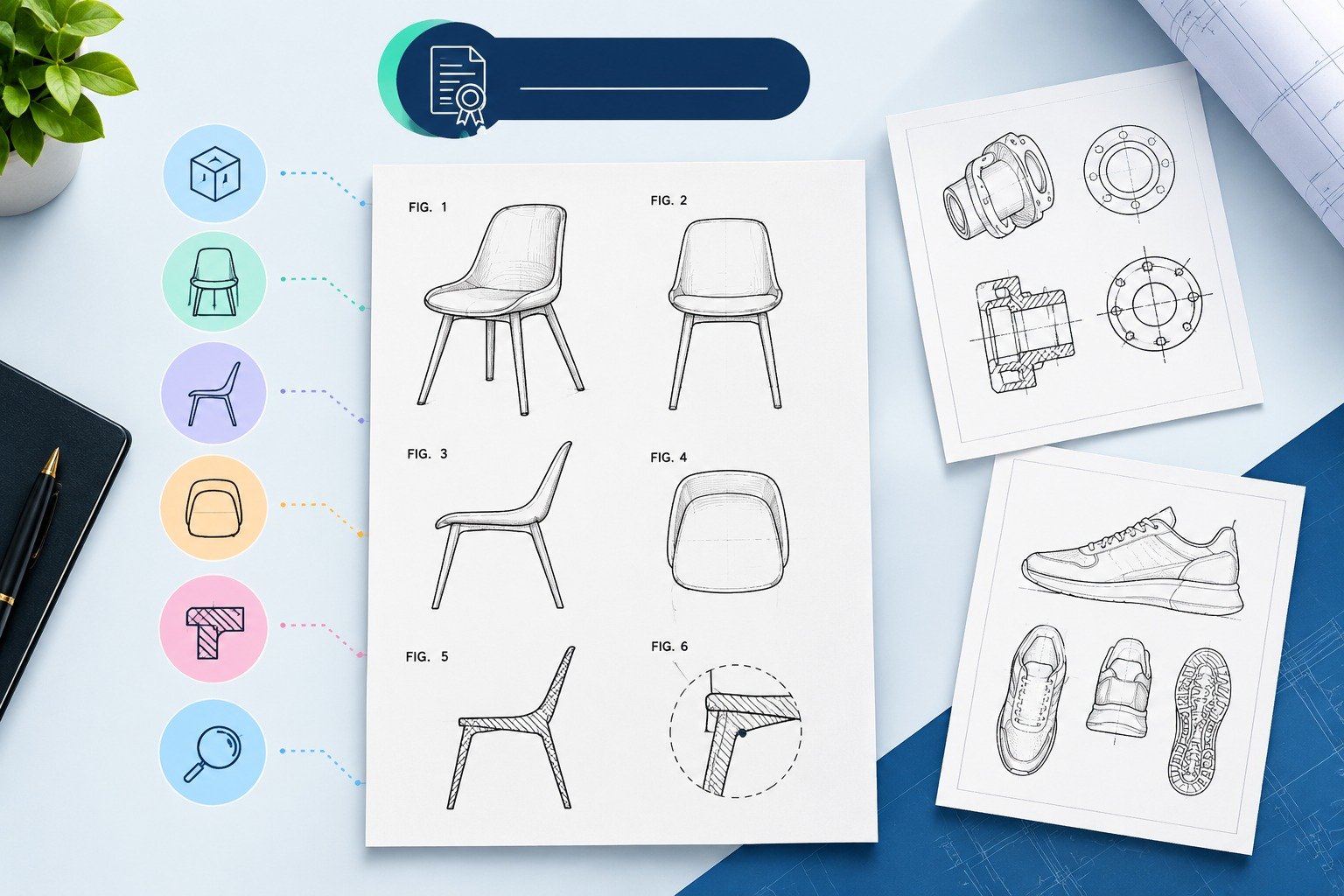
According to the United States Patent and Trademark Office (USPTO), formal patent drawings must be accurate, clear, and in a standardised format. These drawings are intended to represent the invention correctly and are critical to the patent approval process.
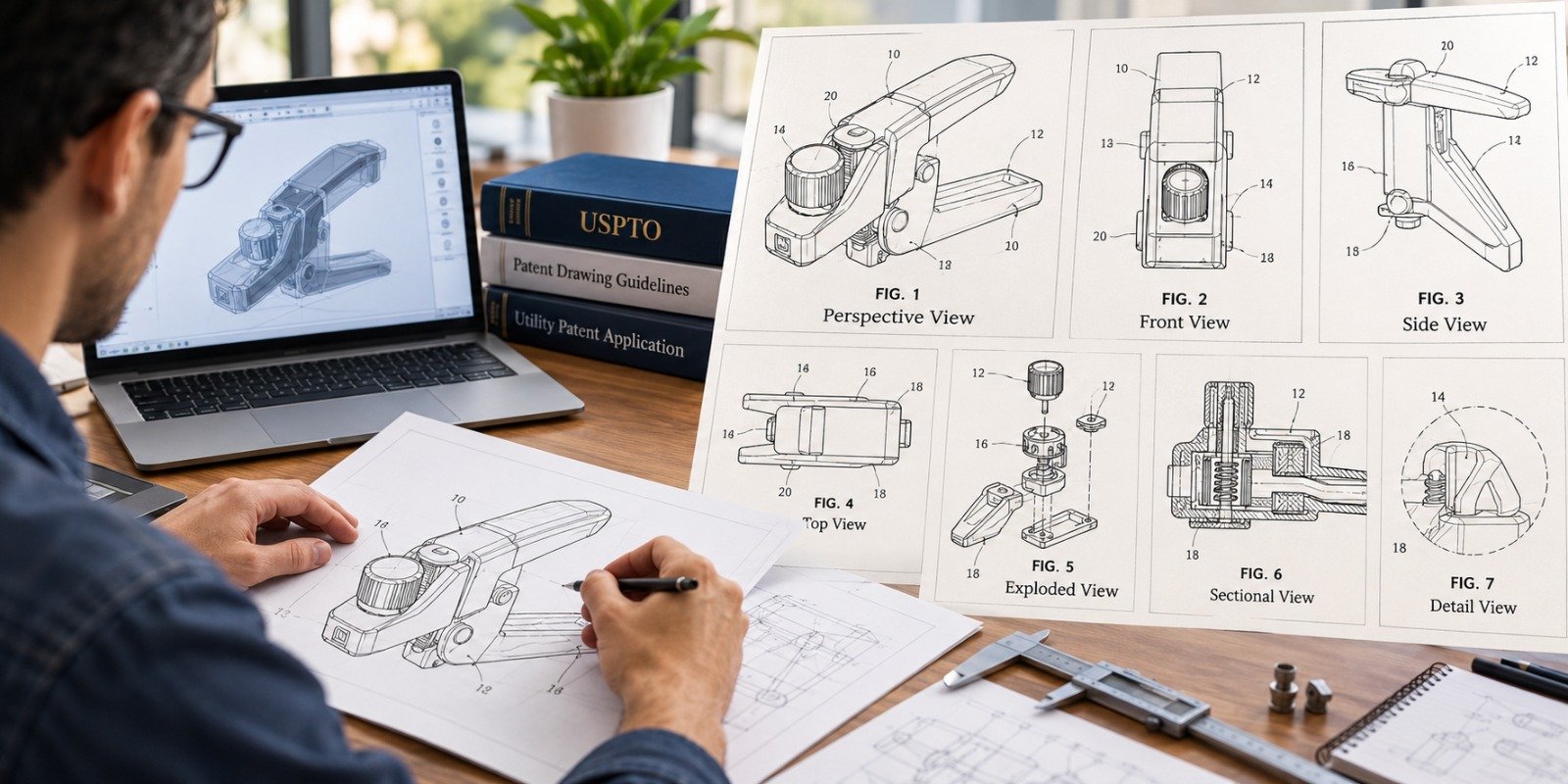
Multiple views are necessary to ensure that the invention can be understood from every angle.
The best way to achieve compliance with the USPTO is to utilise professional services such as The Patent Experts, which can provide approval-ready patent drawings on the first attempt.
When inventors are converting an informal sketch into formal patent drawings, they face many challenges. Poor quality, non-compliance, and time constraints can all lead to delays, objections, and increased costs during the patent process.
Rough or hand-drawn sketches provided to an examiner will confuse due to their lack of clarity and will contribute to a weak patent presentation.
Noncompliant or unclear drawings are the main cause of most USPTO office actions.
Last-minute filing usually causes problems when converting the drawings due to errors or rushing.
Frequent revisions or corrections to drawings will exceed the budget.
Drawing conversion services for patents, if done professionally, ensure delivery of accurate, compliant with USPTO requirements, and quality drawings for increased chances of approval and reduced risk of errors, and will save Time and money during the application process.
The drawing or conversion service provider will ensure that every element of the drawing is converted accurately and that nothing important is missed.
Result: A patent that is represented well and accurately
The conversion service will comply with all applicable regulations set forth by the USPTO. This includes formatting, labelling, and margins so that everything is perfect.
Result: No compliance issues
Having professional, clear drawings allows examiners to quickly identify the invention, limiting the number of times they raise issues and getting your patent approved faster.
Result: Less Time to wait, more Time to receive your patent.
DIY conversion services normally take longer, since you are likely to make mistakes and have to spend more Time trying to fix any errors you create. Drawing conversion services will provide you with fast turnaround on your drawings and allow you to meet deadlines with ease.
Result: Easy to meet deadlines
By providing properly drawn drawings on the first attempt, you will not need to go back and correct, which will not increase your overall costs.
Result: Savings on future costs.
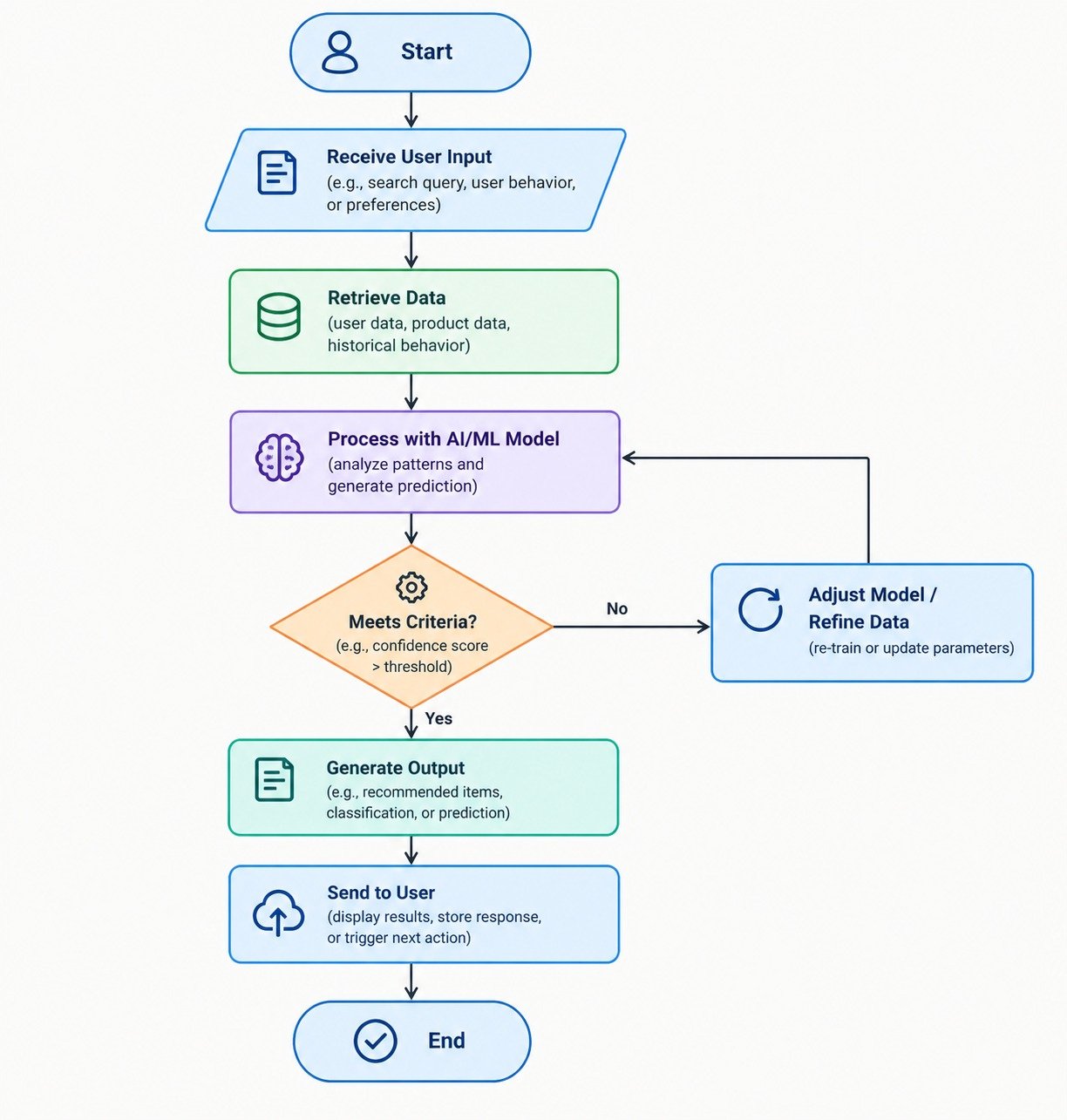
The informal-to-formal patent drawing conversion process at The Patent Experts aims to provide inventors with accurate and compliant drawings for the USPTO (United States Patent and Trademark Office) in a quick and hassle-free way.
You can easily submit your sketches, diagrams, and digital images. The Patent Experts team will take care of your sketches, whether crude and unfinished or not even finished. We will take care of them professionally.
The Patent Experts team will examine your invention and assess the manner in which the different components of your invention work together.
Your informal sketches will be converted into accurate, clean, and compliant USPTO drawings. The patent experts will take great care to pay close attention to the structure and format.
Your draft will be delivered to you for your review. Once you have reviewed your draft, if you want to make revisions, the patent experts will quickly implement the revisions you want.
Your final document will be delivered to you in the form of a high-quality and submission-ready patent drawing for your direct submission to the USPTO.
The importance of this method is that it outlines a system for accomplishing the following:
All of the above are reasons why The Patent Experts provide a trusted, low-stress solution for inventors seeking the best informal-to-formal patent drawing conversion in the USA.
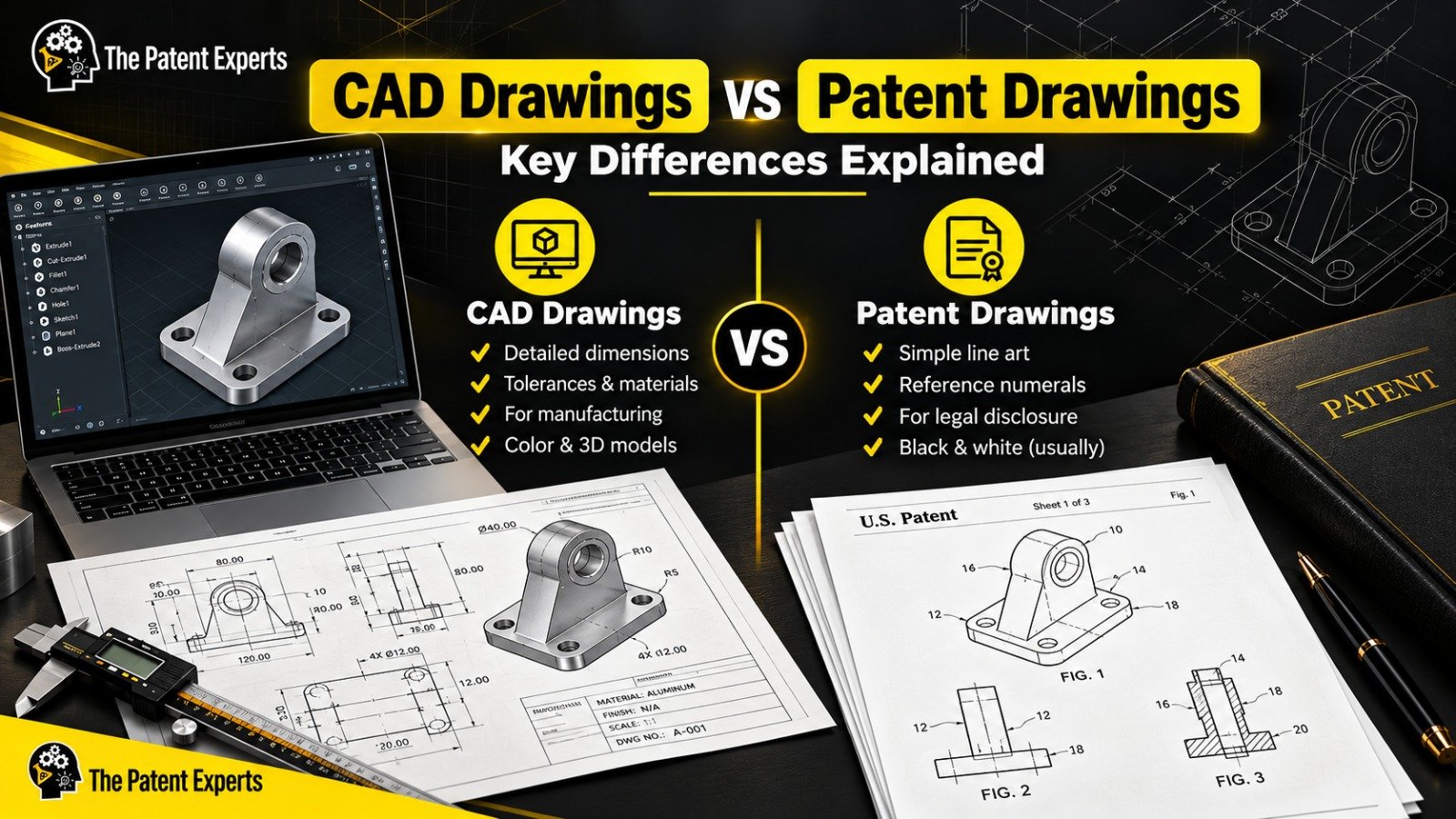
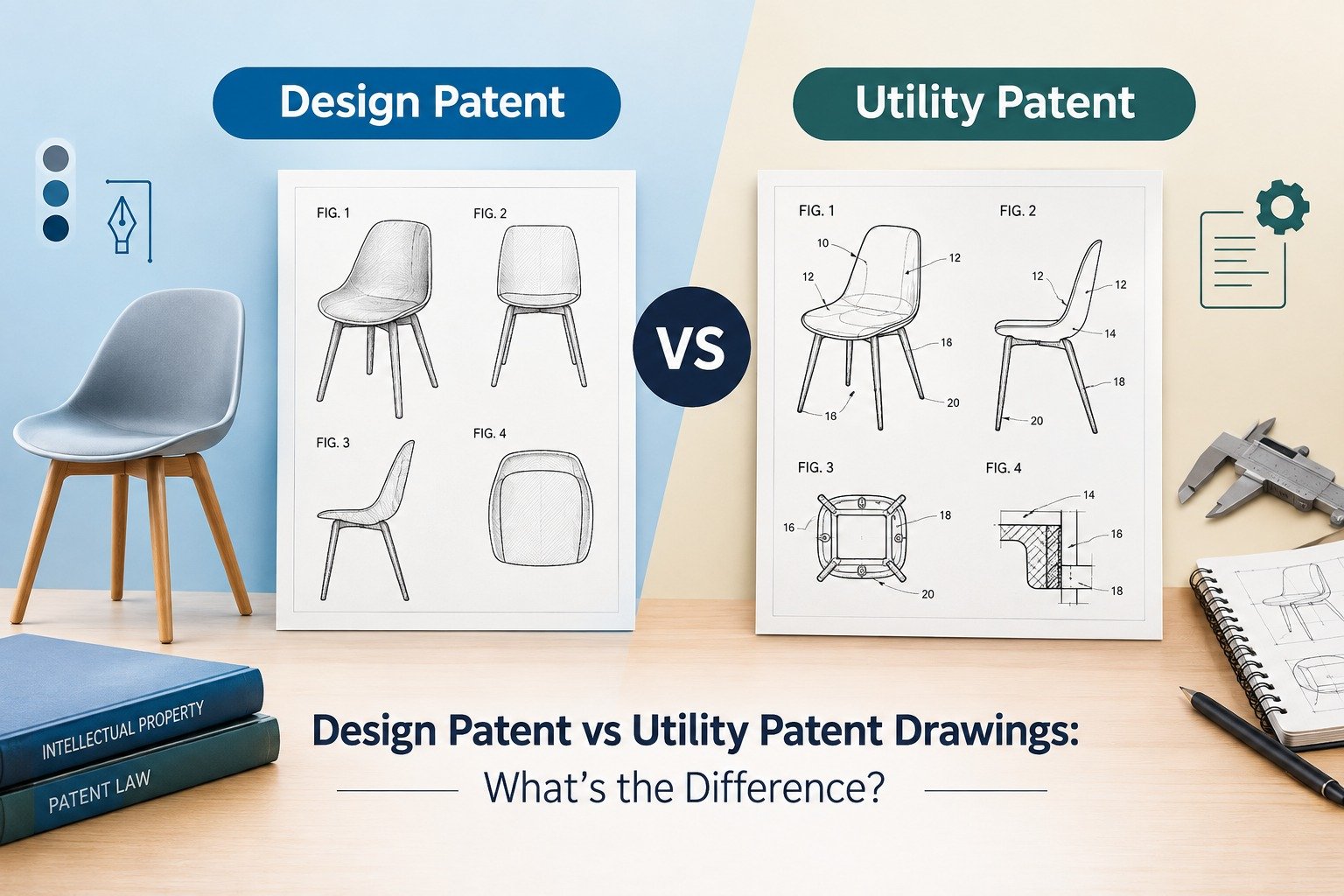
Drawings assume a fundamental part in the patent documentation process; however, not all drawings are equivalent. There are the casual drawings that many creators produce during the underlying stages of the patent cycle. These drawings are adequate for the idea stage of the patent cycle. Be that as it may, for ultimate patent documentation with the USPTO, patent drawings are necessary and must be legitimate.
It is essential to become familiar with the essential contrasts between these two drawings so that you can pick the best strategy for your patent, especially if you plan to apply for the "Best Informal to Formal Patent Drawing Conversion in USA" administration by The Patent Experts.
Informal drawings are the casual drawings that creators normally draw during the early stages of the patent cycle.
Professional patent drawings meet professional standards and strictly follow the USPTO's guidelines.
Converting patent drawings is a highly methodical process that requires precision, compliance, and clarity sufficient for the examiner to evaluate properly. In the U.S., there is practically no allowance for error; a tiny error could cause delays or rejection of your patent application.
If you need assistance converting your image sketches into professional-quality patent drawings that conform to all the USPTO's requirements, you have chosen well by partnering with the Patent Experts. Below are great reasons to consider utilising their services:
The company's artists have expertise and understanding of the patent rules and regulations. The drawings they produce are not only creative but also technically accurate.
The company will ensure that your drawings meet all USPTO requirements, helping reduce the risk of rejection or objections.
The professionals at the company know that the patent filing deadline is sensitive. They work diligently to provide you with the highest quality drawings in an expeditious manner so that you can feel good about meeting your deadline.
Additionally, the rapid delivery of your drawings reduces the waiting period, making the overall process much more efficient for you.
Every required revision will be performed in a timely fashion based upon input from you, so that you will receive exactly what you envisioned at the Time of the creation process.
You will benefit from the company's high-level service at an affordable price. You will receive the correct drawing for your patent application the first Time it is provided, so you won't need to spend additional amounts on costly revisions to get them done correctly. You will save money by having your drawings completed right the first Time.
Thousands of inventors and businesses have chosen 'The Patent Experts' for their seamless and reliable patent drawing conversion services. Their track record of positive experiences and solid client reviews makes this service a truly trustworthy choice.
Rough sketches are here transformed into professional illustrations, making the best informal-to-formal patent drawing conversion in the USA easy for you.
Yes, filing may be done with informal drawings in the provisional stage. However, formal drawings must be filed at the final stage.
The following applies: the drawings must adhere to strict guidelines for formatting, clarity, and labelling.
Conversion time typically varies anywhere from 2 to 5 days, depending on the complexity of the drawing.
Self-conversion of your drawings is possible; however, there is a risk of error during conversion.
To determine the best service provider, check their experience, verify they meet compliance requirements, and read reviews.
The patent filing process in the USA is meticulous and accurate; compliant drawings hold prime importance. It is not advisable to file a patent with rough drawings and sketches. This is because an unclear visual representation may confuse the patent examiner.
The patent drawings of an invention act as a visual foundation for your invention. It is not only a visual representation of your invention but also offers clarity. Hence, converting informal drawings into a professional, compliant format is an intelligent and necessary step.
The patent experts offer you complete assistance throughout the process, from rough sketches to final drawings. Their process is systematic and ensures accuracy and speed.
To protect your invention with confidence, select the best informal-to-formal patent drawing conversion in the USA.
_1775219264.png)

At “The Patent Experts” our team specialises in turning complex concept and ideas into exact complaint patent drawings that meet the stringent guidelines of USPTO, EPO, WIPO among other major patent offices around the globe. With over 5+ years of experience, our team of skilled illustrators are efficient in producing high quality utility designs and trademark patent drawings. By combining cutting-edge technology with a deep understanding of global patent regulations, we ensure every drawing we create is ready for seamless submission and approval.
Quicks Links
Get in touch
Our phone number
Our email address
© 2026 The Patent Expert's All Rights Reserve
Made with ♥ by Website99