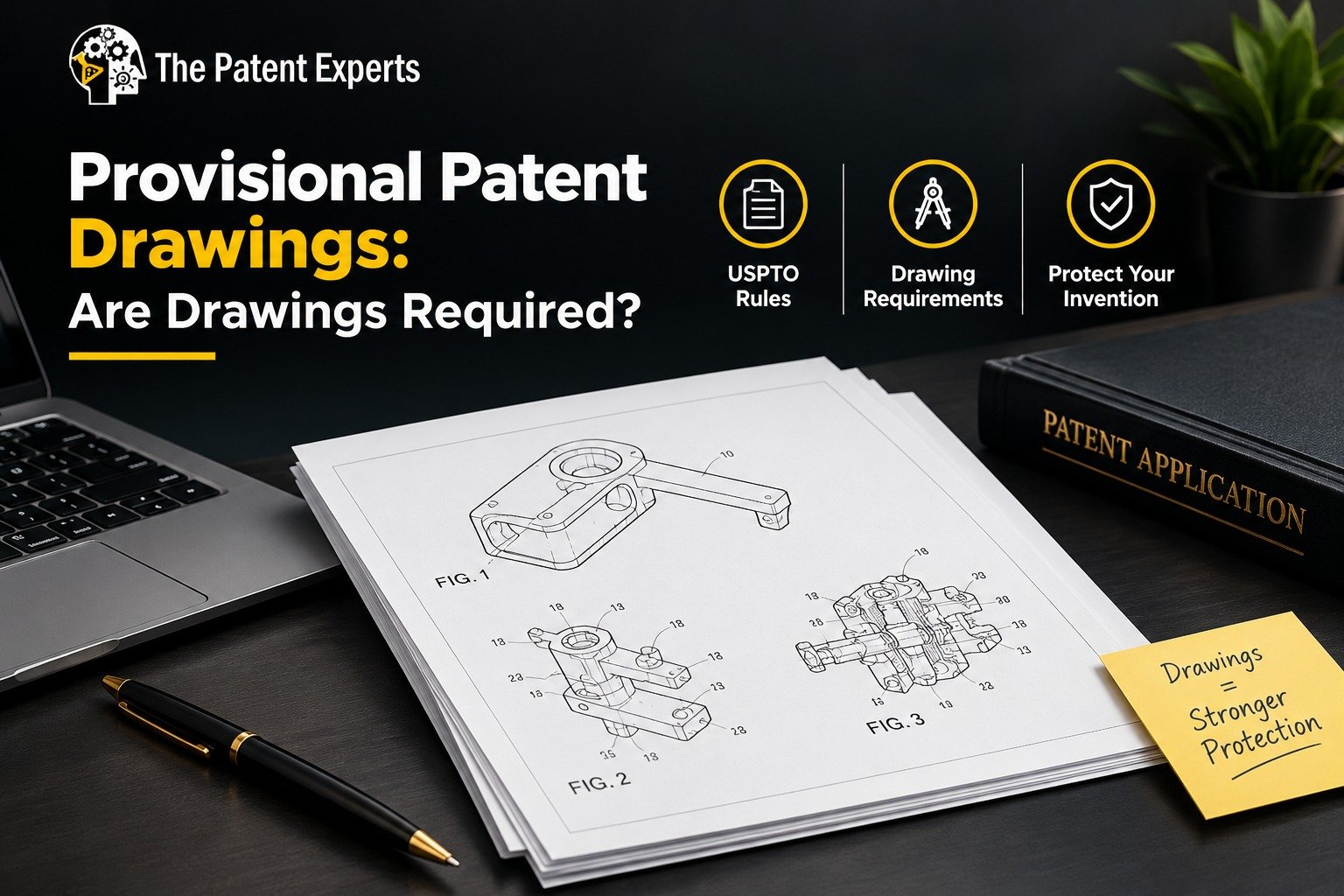
Provisional Patent Drawings: Are Drawings Required?
Short answer: Not always, but usually yes in practice. U.S. law requires a drawing whenever it is necessary to understand the invention. Provisional drawings can be informal, since they do not have to meet the strict formatting rules of a non-provisional application. However, any feature you leave out of the drawings and the written description may not be protected by your provisional filing date.
If you are preparing a provisional patent application, the drawings are one of the easiest places to save money and one of the easiest places to make a costly mistake. This guide explains what the law requires, what the USPTO accepts, and how to decide how much drawing detail your provisional needs.
A provisional patent application is a lower-cost, first-step filing with the United States Patent and Trademark Office (USPTO). It gives you a filing date and lets you use the label "patent pending." It is never examined and never becomes a patent on its own. It stays pending for 12 months. Within that window you generally need to file a non-provisional application (or a corresponding foreign or PCT application) that claims the benefit of the provisional if you want to keep that earlier date.
The legal basis for provisional applications is 35 U.S.C. § 111(b), and the benefit of the earlier filing date is available under 35 U.S.C. § 119(e). Because a provisional is not examined, claims are not required. What the filing does need is a specification and any drawings necessary to understand the invention, along with the cover sheet and fee.
The rule comes from 35 U.S.C. § 113: an applicant must furnish a drawing where it is necessary for the understanding of the subject matter to be patented. That means the answer depends on the invention.
So drawings are not an automatic checkbox, but for most inventions they are effectively required. A provisional that leaves out a drawing needed to understand the invention may fail to give you the priority you expected.
The real value of a provisional is the filing date, and that date only covers what the provisional actually discloses. When you later file a non-provisional application, you can claim the provisional's date only for subject matter that is supported by the provisional under the usual written description and enablement standards.
That has three practical consequences:
In short, a thin provisional can create a false sense of security. The cost of adding drawings now is usually small compared with the cost of losing priority later.
No, not strictly. The formal drawing standards in 37 CFR 1.84, which cover margins, line quality, sheet size, reference characters and similar details, apply to non-provisional applications. The USPTO has long accepted informal drawings in provisional applications, which means you can submit:
That flexibility is useful, but there is one rule that matters more than any formatting rule: the drawings must be clear enough to show the invention. A blurry phone photo with no labels may technically be accepted, but it may not provide the support you need later.
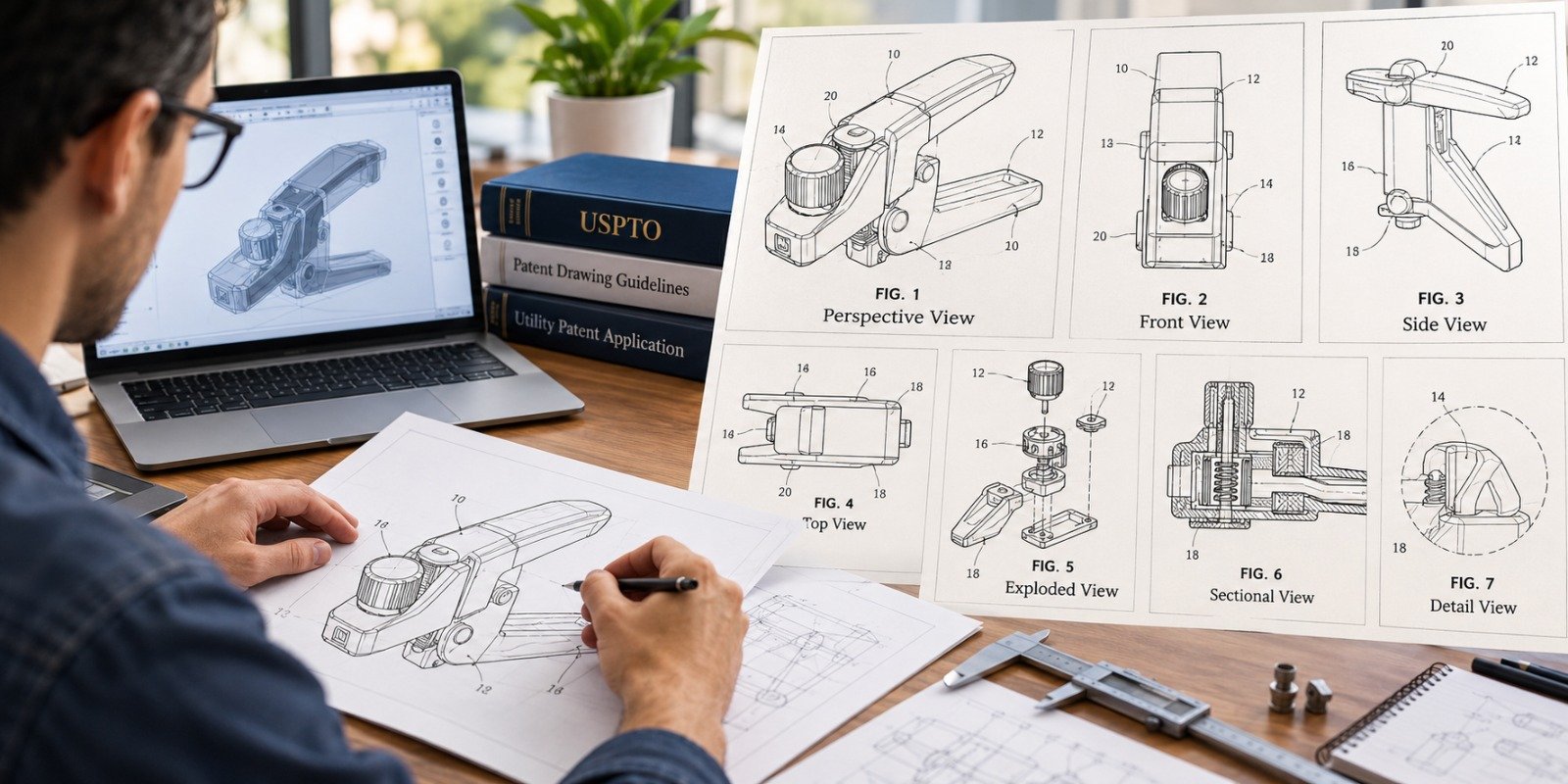
Even though formal formatting is relaxed, strong provisional drawings share a few habits:
A helpful test: if a skilled person read your text and drawings together, could they understand and reproduce what you invented? If not, add detail.
Because provisional drawings are not examined, many inventors ask whether they should invest in professional drawings at this stage. The answer depends on your plans.
| Factor | Informal provisional drawings | Professional patent drawings |
|---|---|---|
| Cost | Lowest | Moderate |
| Format rules | Not strictly enforced | Prepared to office requirements |
| Clarity | Varies widely | Clean, consistent, labeled |
| Reusability | May need to be redrawn later | Can often be reused in the non-provisional filing |
| Support for later claims | Depends on quality | Stronger, with clearer detail |
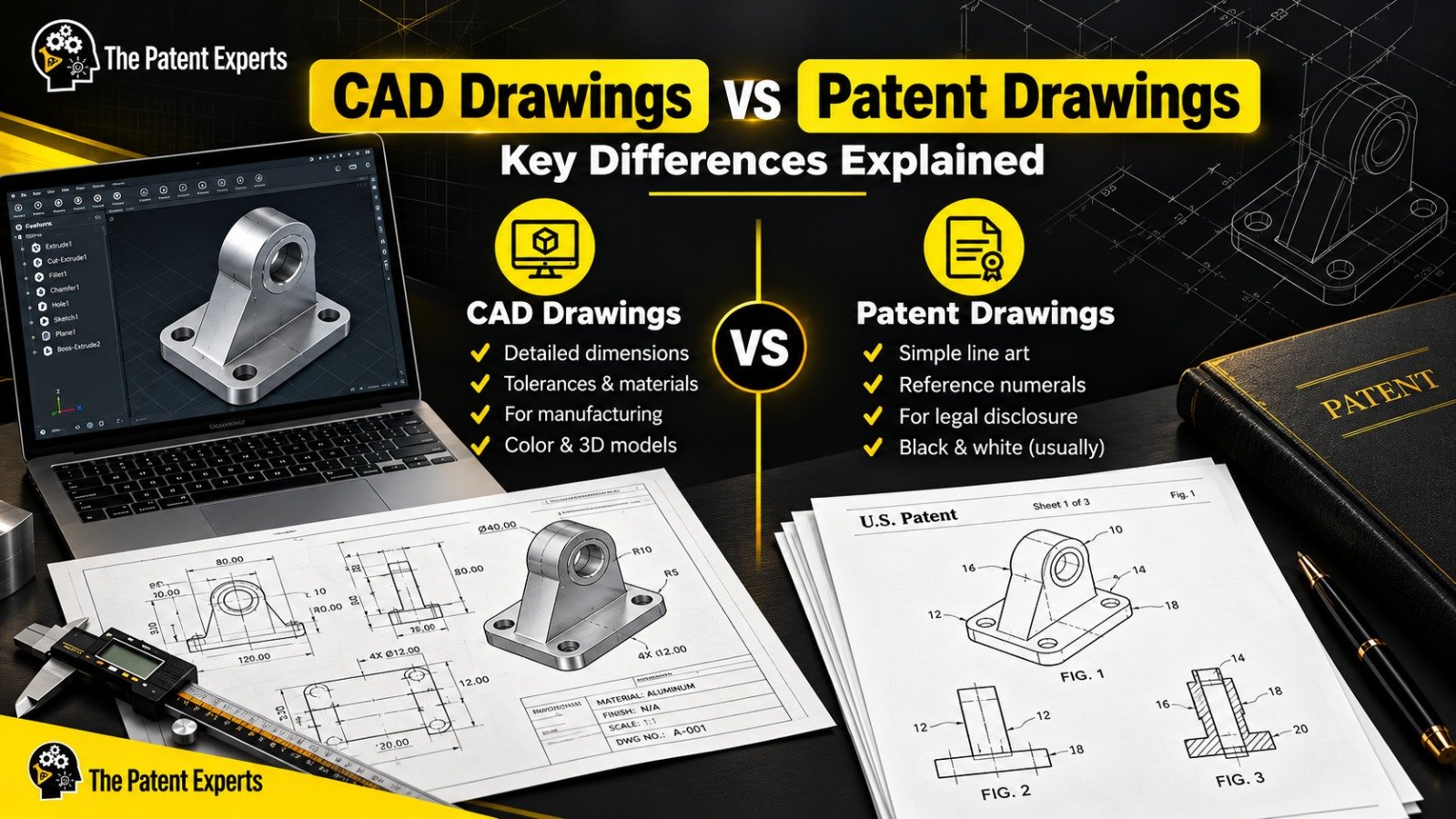
For a simple invention on a tight budget, careful informal drawings may be enough. For anything complex, or where the invention is commercially important, professional drawings prepared up front can be reused for the non-provisional application, which avoids paying twice. Professional drawing services such as The Patent Experts work with patent attorneys, patent agents and corporate teams, and can turn rough sketches, photos, PDFs or CAD files into clean, patent-style figures. Their site lists a typical 24-hour turnaround depending on complexity, and they offer NDAs for confidential inventions.
| Requirement | Provisional application | Non-provisional (utility) application |
|---|---|---|
| Drawings required? | When necessary to understand the invention | When necessary to understand the invention |
| Formal drawing rules (37 CFR 1.84) | Not strictly required | Required |
| Claims required? | No | Yes |
| Examined? | No | Yes |
| Duration | 12 months | Until granted or abandoned |
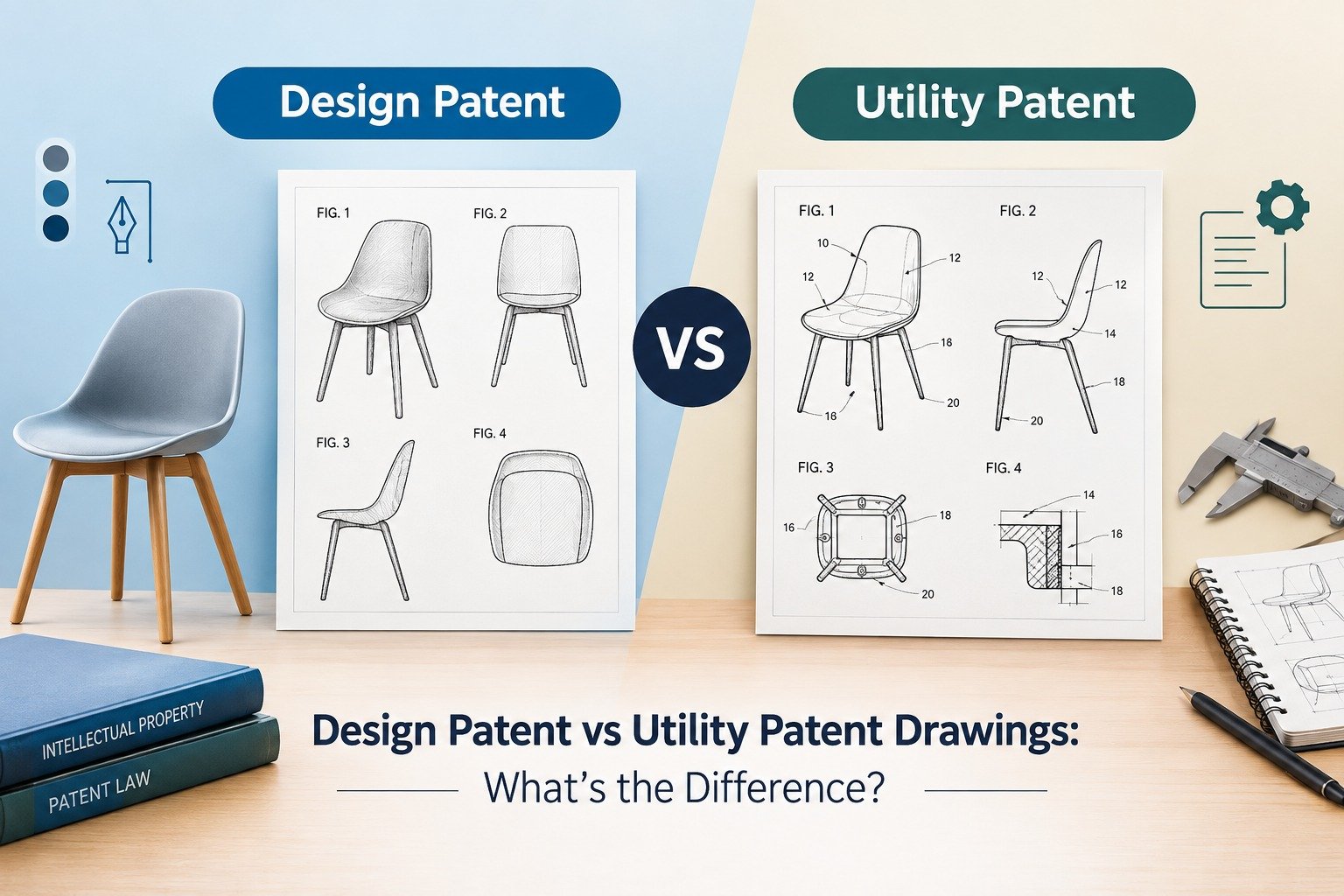
Note that a provisional is not available as a design patent application. Design applications can sometimes claim the benefit of an earlier provisional, but only if the provisional clearly shows the design. If you are thinking about a design filing, the views in your provisional matter a great deal, so discuss this with a patent professional.
Only when a drawing is necessary to understand the invention, but for most physical products, systems and software inventions it is. Even where it is not strictly required, drawings strengthen the disclosure and help protect your priority date.
Yes. The USPTO generally accepts informal drawings in provisional applications, including hand-drawn sketches, CAD screenshots and photographs. They still need to be clear and detailed enough to show your invention.
The application can still be filed if the written description alone is sufficient. However, if a drawing was needed to explain the invention, the provisional may not support your later claims, and you may lose the earlier filing date for those features.
Drawings are required when they are necessary to understand the invention under 35 U.S.C. § 113. For most inventions that is the case, so you should include them. A purely textual invention, such as a simple composition, may not need them.
No. Provisional drawings can be informal, since the strict rules in 37 CFR 1.84 apply to non-provisional applications. They must still be clear, legible and detailed enough to show the invention.
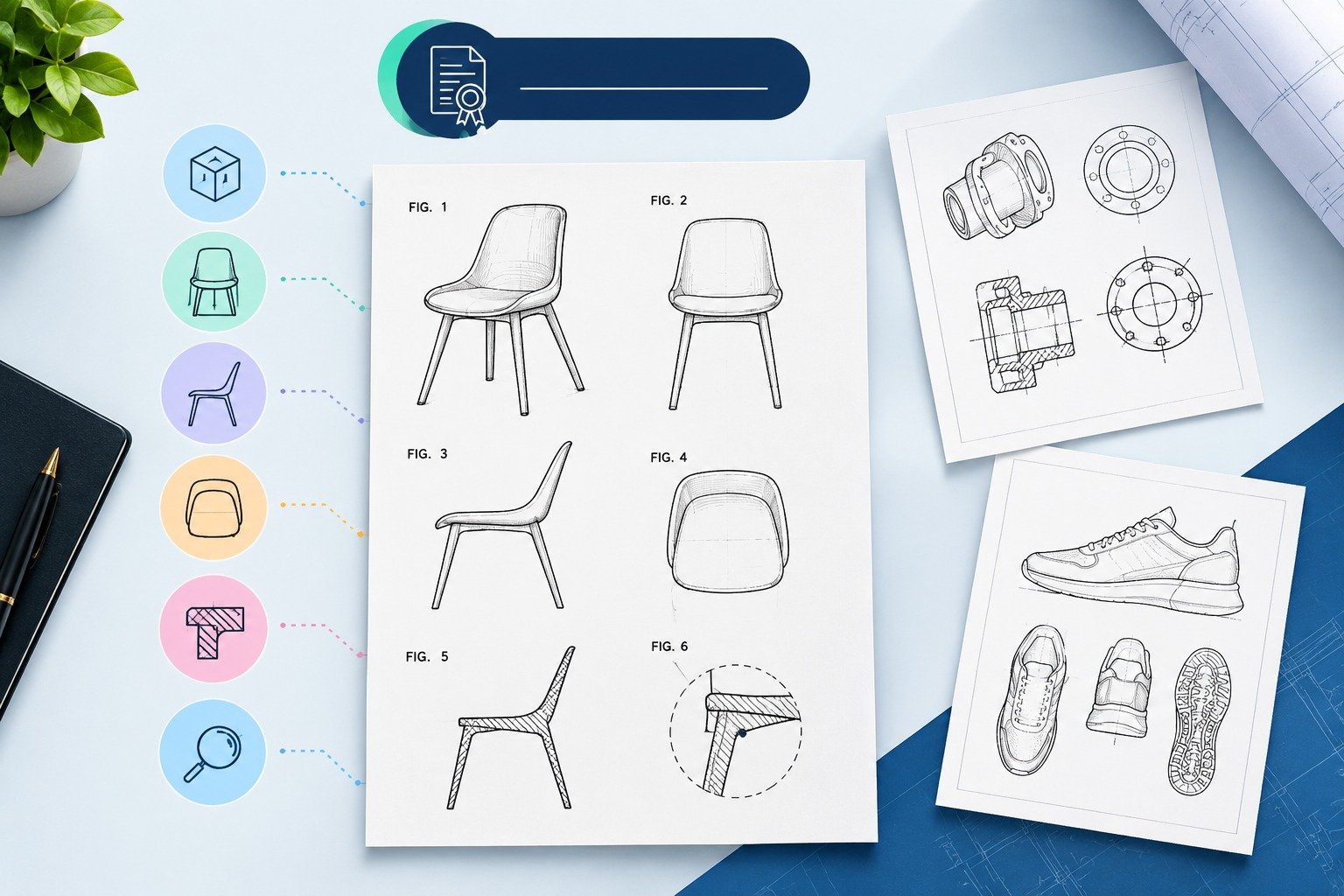
Detailed enough that a skilled person could understand and reproduce the invention from the text and figures together. Include several views, labeled parts, internal structure where relevant and alternative embodiments.
You can reuse the content, but informal drawings often have to be redrawn to meet formal requirements. If you start with professionally prepared drawings, you may be able to reuse them directly, which can save time and cost.
It is not required, but it is worth considering for complex inventions, commercially important products or when you plan to file a non-provisional application soon. A professional can turn sketches, photos or CAD files into clear, consistent figures that support your claims.
Drawings are not a formality in a provisional patent application. Although the law only requires them when they are necessary to understand the invention, and although the USPTO accepts informal versions, the filing date you get is only as strong as what you disclose. Clear, labeled drawings that show your invention from several angles, along with its variations, give your provisional the best chance of supporting your later claims.

At “The Patent Experts” our team specialises in turning complex concept and ideas into exact complaint patent drawings that meet the stringent guidelines of USPTO, EPO, WIPO among other major patent offices around the globe. With over 5+ years of experience, our team of skilled illustrators are efficient in producing high quality utility designs and trademark patent drawings. By combining cutting-edge technology with a deep understanding of global patent regulations, we ensure every drawing we create is ready for seamless submission and approval.
Quicks Links
Get in touch
Our phone number
Our email address
© 2026 The Patent Expert's All Rights Reserve
Made with ♥ by Website99